David Wake takes part in The University of California Berkeley Emeriti Association's (UCBEA) Legacy Project
Submitted by rhkayen on Fri, 02/07/2020 - 11:34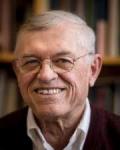
The University of California Berkeley Emeriti Association (UCBEA) has developed a project that involves video recording of emeriti faculty for the purpose of preserving the history and accomplishments of its distinguished faculty. More specifically, the project – referred to as the Legacy Project – has the purpose of producing video interviews with faculty who are entering the Emeritus/Emerita phase of their career.


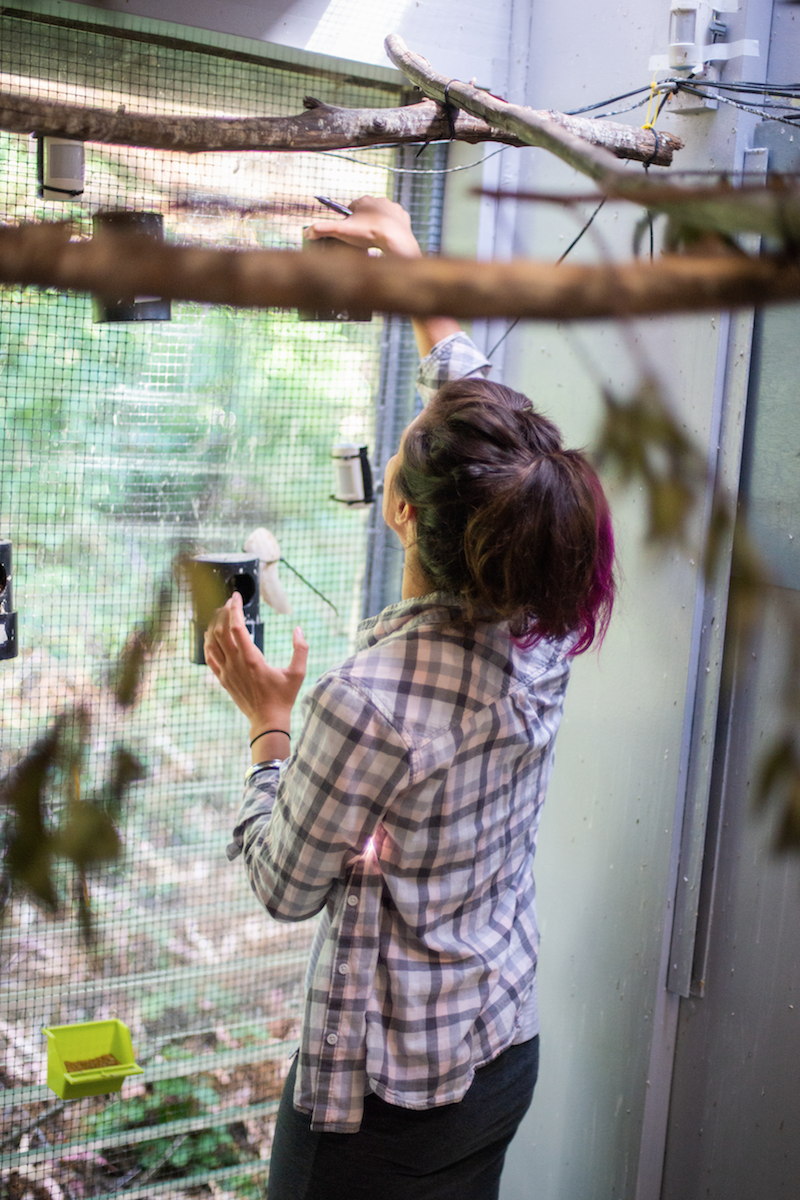 For the graduate students of Integrative Biology, the summer months bring a wealth of opportunities to embark on critical research projects and present their findings all over the world. Forty-four graduate students were able to carry out their field and laboratory research, thanks in part to three competitive awards sponsored by the Integrative Biology department: Dissertation Completion Award, Summer Grant, and Research Award. A broad range of projects are funded by these awards, from understanding UV radiation tolerance in desert mosses to studying how the shapes of turtle beaks relate to their diet and habitat over evolutionary time.